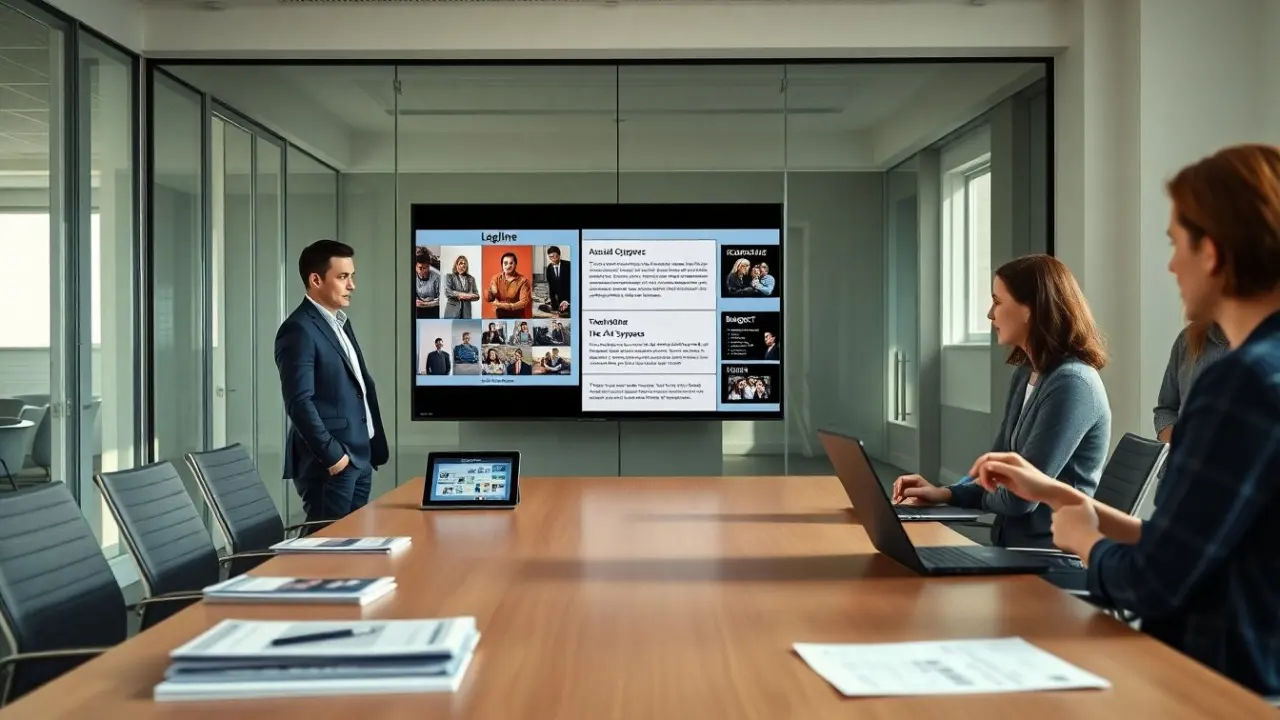
Film pitch deck examples help creators present projects clearly. The writer shows structure, visuals, and business details. The reader learns which slides matter and why. The guide uses real templates and clear steps. The content stays practical and direct. The reader can use each example to build a deck that sells. Below we expand on concrete slide choices, sequencing, and actionable approaches so you can apply film pitch deck examples to your own project with confidence.
Key Takeaways
- Film pitch deck examples demonstrate how clear structure and visuals effectively communicate a project’s story, tone, and business potential.
- A strong film pitch deck includes essential slides like a compelling logline, concise synopsis, visual style, budget, market, and comparables to persuade investors.
- Low-budget indie decks focus on festival plans and proof of concept images, while studio feature decks highlight market fit, star power, and scalable returns.
- Documentary pitch decks emphasize storyteller access, impact goals, credible subjects, and social outreach to secure funding.
- Adapting a film pitch deck example to your project requires matching scale and tone, keeping slides visual and concise, and avoiding vague asks or clutter.
- Testing your deck with trusted readers for clarity and specific feedback enhances its effectiveness and trustworthiness.
What A Film Pitch Deck Is And Why It Matters
A film pitch deck shows a project in a single document. It explains story, tone, and business case. It helps producers, investors, and collaborators decide quickly. It saves time during meetings. It highlights visual ideas and key talent. It also frames budget and market potential. For many teams, a strong deck wins the first commitment. Film pitch deck examples prove how layout affects clarity and persuasion.
Beyond the basic definition, a pitch deck is a communication tool tailored to its audience—whether a festival programmer, private investor, broadcaster, or studio executive. The right deck anticipates the questions each audience will ask and answers them with one glance: what is the story, who is making it, how much will it cost, and how will it get to viewers. Reviewing several film pitch deck examples helps you internalize pacing, where to put images, and how much text a reader tolerates on each slide.
Think of the deck as the film’s first scene: it needs to hook, establish tone, and leave the reader wanting more while supplying enough logistics to signal credibility. Use film pitch deck examples as a study guide rather than a template to follow blindly—adapt sequencing and emphasis to the needs of your project.
Essential Slides To Include: Logline, Synopsis, Visual Style
A clear logline states the core premise. A concise synopsis outlines the plot beats and character arc. Visual style pages show mood boards and sample frames. The deck should include tone, color, and pacing cues. The reader should use simple captions for each image. Each slide should answer one question. The deck should remain tight and visual. Film pitch deck examples often place the logline on page one to hook readers.
Key slides to include and why they matter:
- Title and one-line logline — immediate hook.
- Synopsis — 1 paragraph summary plus a 3-act bullet outline.
- Main characters & motivations — quick portraits that show stakes.
- Director’s statement or vision — why this filmmaker and why now.
- Visual style & references — mood boards, color palette, cinematography notes.
- Key scenes or tone frames — 2–4 images or frame grabs with captions.
Practical tips: keep each slide to one clear idea, use captions under images rather than blocks of text, and place the financial ask near the end but clearly labeled. Reviewing multiple film pitch deck examples will show variations in sequencing; pick the order that best supports your case.
Budget, Market, And Comparables (How To Present Numbers Persuasively)
The budget page lists top-line categories and totals. The presenter should show key assumptions behind major costs. The market slide shows target audience, release plan, and revenue channels. The comparables slide pairs similar films with box office and sales data. The presenter should use clear numbers and short notes. The deck should highlight upside and risk mitigation. Film pitch deck examples that show realistic revenue earn more trust from investors.
How to make these slides effective:
- Budget: show a rounded total and 3–5 line items (above-the-line, production, post, marketing/distribution) with brief notes on assumptions.
- Market: define demographic, viewing platforms, and a realistic release window (festival-first, limited theatrical, VOD, etc.).
- Comparables: choose 2–3 recent films that match tone and budget and explain why they’re relevant—address audience size and revenue channels rather than exact grosses.
Keep financial slides simple and defensible. If you don’t have final numbers, show ranges and explain assumptions. Many successful film pitch deck examples use charts or icons to make these pages scannable rather than dense tables.
Example 1: Low‑Budget Indie Pitch Deck — Structure And Key Pages
This example opens with a strong logline and director statement. It follows with character pages, visual tone, and sample scenes. It includes a compact budget and a festival plan. It shows proof of concept images and cast wish list. It lists production timeline and minimal crew needs. The deck keeps text short and visuals dominant. Many film pitch deck examples for indies use a one-sheet aesthetic and clear ask for festival financing.
Structure to emulate for indies:
- Cover + logline
- Director’s note + tone images
- Characters + stakes
- Proof of concept / lookbook
- Compact budget & financing plan (gap, commitments, in‑kind)
- Festival & release plan
- Production timeline & key bios
Indie decks benefit from emphasizing creative solutions to limited resources—multi-use locations, short shooting schedules, and local incentives. Film pitch deck examples in this space often include callouts for previous festival selections or awards from similar projects to build credibility.
Example 2: Studio/Commercial Feature Deck — What Execs Expect
This example starts with a market hook and comparable titles. It follows with a three‑act synopsis and cast attachments. It shows visual references and director credentials. It includes a full budget, financing plan, and distribution path. It lists marketing angles and franchise potential. The deck signals scalability and clear return paths. Studio executives scan for market fit first. Successful film pitch deck examples for studio features emphasize audience size and star power.
What to prioritize in a commercial feature deck:
- Market hook + comps on slide one — who will pay to see this and why now?
- Star & attachment status — how names raise the film’s profile.
- Detailed financing plan — committed elements, equity gaps, and bankability.
- Marketing hooks and ancillary revenue — merchandising, international rights, streaming windows.
Studio-focused film pitch deck examples are often denser on business detail but still visually coherent. Use appendices for full budgets or legal pages and keep the main deck focused on story, audience, and upside.
Example 3: Documentary Pitch Deck — Story, Access, And Impact
This example leads with the storyteller and unique access. It outlines the central conflict and stakes. It shows key interview subjects and archival sources. It includes a distribution strategy that lists festivals and broadcasters. It presents impact goals and partnership ideas. It shows a modest budget and sample footage frames. Funders look for credibility and reach. Many film pitch deck examples for documentaries include social impact plans and outreach budgets.
Specific documentary slides that matter:
- Access & sources — explain why this subject, why you now, and what access you have.
- Interview subjects & roles — primary, secondary, expert voices and potential spokespeople.
- Archival material & rights — anticipated costs and known archives to contact.
- Impact & outreach plan — partners, campaigns, and measurable goals.
Documentary funders want to know how the film will be used beyond screenings. Film pitch deck examples in this category often include sample outreach ideas, potential broadcast partners, and a short plan for audience engagement that can tip a funder toward support.
How To Adapt An Example To Your Project And Avoid Common Mistakes
The creator should pick the example that matches scale and tone. The creator should keep the deck short and visual. The creator should proof numbers and credit lines. The creator should avoid cluttered slides and long paragraphs. The creator should test the deck with a trusted reader. The creator should ask for specific feedback about clarity and ask amount. Common mistakes include vague asks, missing comparables, and weak visuals. Film pitch deck examples serve as templates, but the creator must make each slide honest and specific.
Actionable steps to adapt any film pitch deck example:
- Choose a structural model (indie, studio, or documentary) that aligns with your financing path.
- Strip each slide to one key message and one supporting visual.
- Create a one‑page executive summary that can stand alone in email outreach.
- Annotate budget assumptions so readers can see how you reached totals.
- Run the deck by three trusted readers representing each target audience (creative, producer, financier) and iterate based on their questions.
Avoid these frequent errors: overloading slides with text, using low‑quality images, making an unclear or shifting ask, and failing to show how the film will reach an audience. Finally, study several film pitch deck examples to see how different projects solve the same communication problems; borrow structure and language that fit your project, but always make the deck specific to your film.